


- 4 Views
- 7 Min Read
- (0) Comment
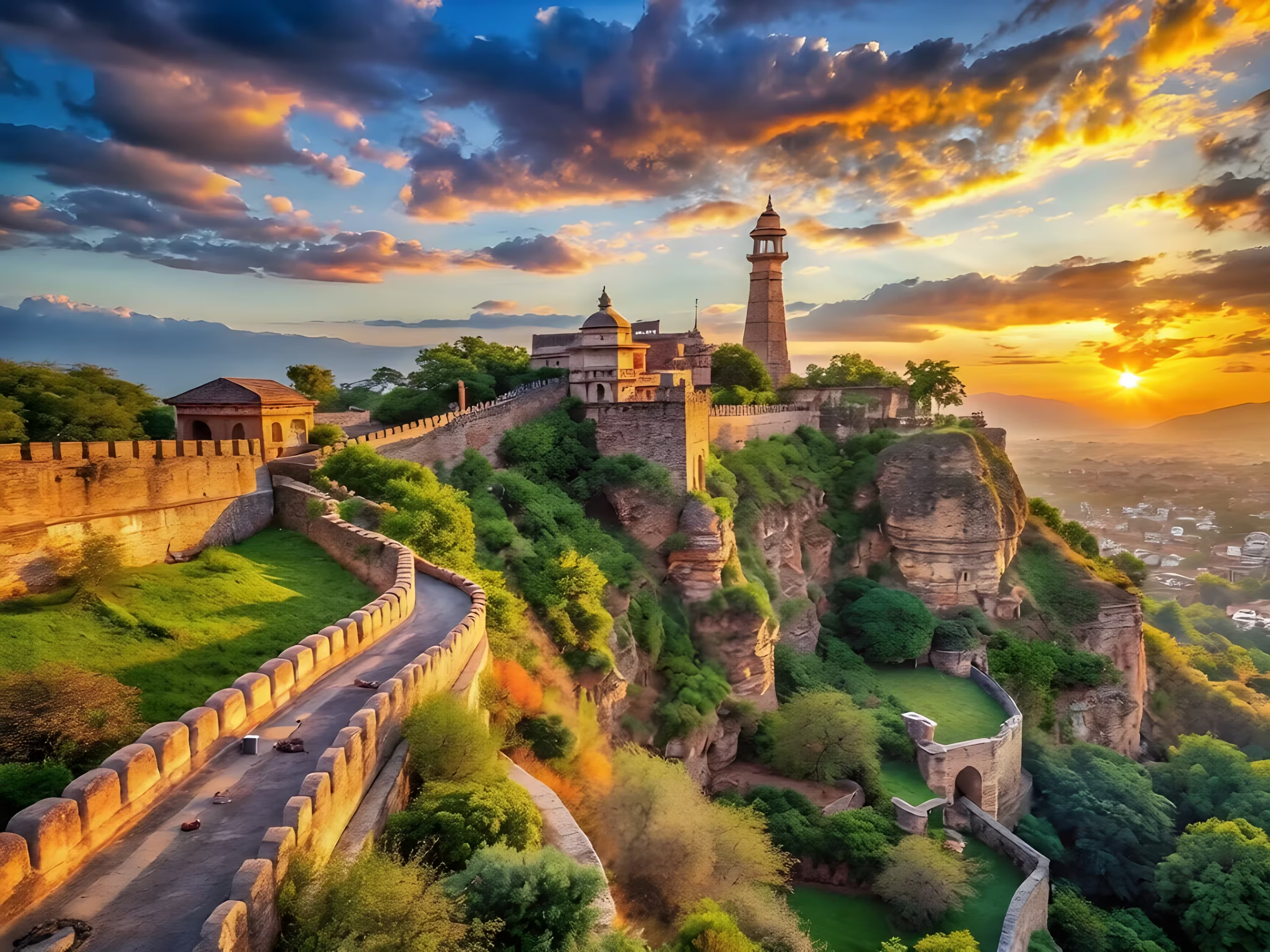
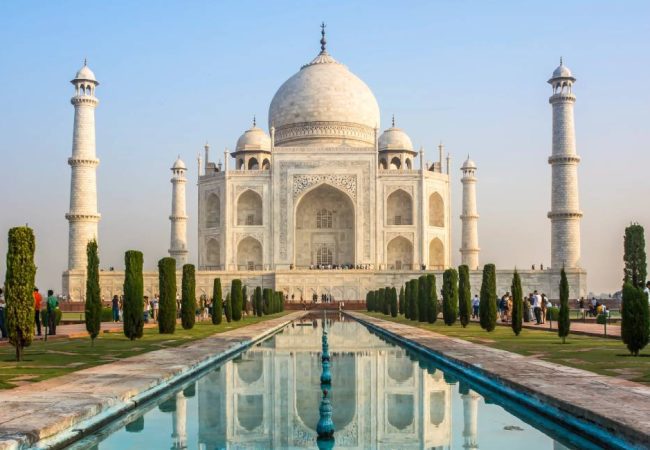
India is a destination like no other. From the magnificent Taj Mahal and colorful streets of Jaipur to the peaceful backwaters of Kerala and the royal palaces of Rajasthan, India offers an incredible mix of history, culture, food, spirituality, and unforgettable experiences.
For first-time foreign travelers, however, India can also feel very different from home. The sights, sounds, traffic, food, customs, and pace of daily life can take some getting used to.
A little preparation can make your journey much more comfortable.
If you are planning your first India tour, here are 10 important things you should know before visiting India.
1. India Is a Large and Diverse Country
One of the first things to understand is that India is enormous.
Traveling from one region to another can feel like visiting completely different countries. The language, food, climate, architecture, traditions, and landscapes can change dramatically from state to state.
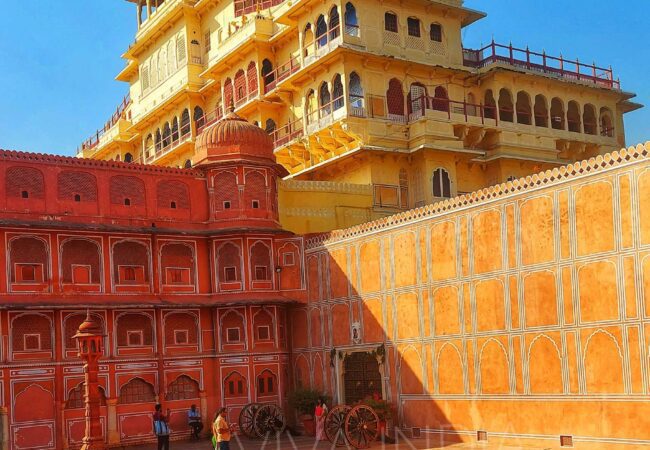
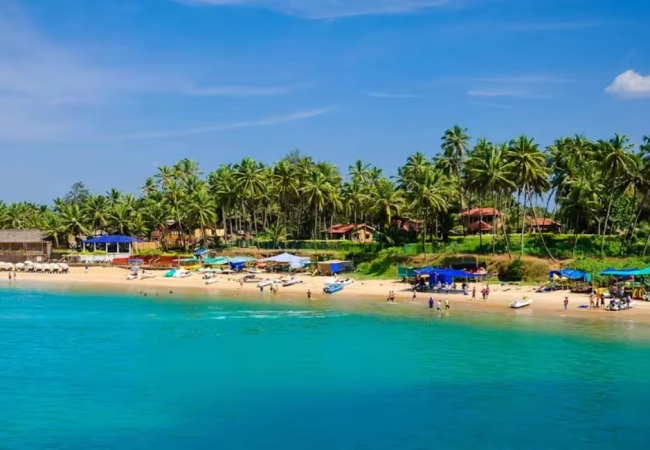
For example, Rajasthan is known for its forts, palaces, deserts, and royal heritage, while Kerala is famous for its tropical landscapes and backwaters.
Don’t try to see the entire country in one trip.
For a first visit, it is usually better to choose one region or a well-planned route such as the Golden Triangle — Delhi, Agra, and Jaipur.
A focused itinerary gives you enough time to actually experience each destination instead of spending most of your vacation traveling between them.
2. Choose the Right Time to Visit
India has many different climates, so the best time to visit depends on where you are going.
Northern destinations such as Delhi, Agra, Jaipur, and Rajasthan can be particularly hot during the summer months. The monsoon season can also bring heavy rainfall to many parts of the country.
For many first-time visitors exploring North India, the cooler months are more comfortable for sightseeing.
Before booking your flights, research the weather for the specific destinations and months of your trip.
If your itinerary includes several regions, remember that their climates may be very different.
3. You May Need an Indian Visa
Foreign travelers generally need the appropriate visa or travel authorization before entering India, depending on their nationality and circumstances.
India offers different visa categories, including options for tourism.
Visa rules can change, so always check the latest requirements through the official Indian government sources before traveling.
Make sure your passport is valid for the required period and that you have checked entry requirements well before your departure.
Don’t leave your visa arrangements until the last minute.
4. India Can Be Busy, Noisy and Overwhelming
For travelers visiting India for the first time, the country’s energy can be surprising.
Major cities can be crowded, roads can be busy, and markets can be full of people, vehicles, sounds, and activity.
This can feel overwhelming at first.
Give yourself time to adjust.
Instead of trying to see five attractions on your first morning, start slowly and allow yourself time to become comfortable with your surroundings.
Once you adjust to the pace, many travelers find India’s energy one of the most exciting parts of the experience.
5. Dress Respectfully and Comfortably
India is culturally diverse, but modest clothing is generally a good choice, particularly when visiting religious sites and traditional communities.
Lightweight, breathable clothing can be useful in warmer regions, while a jacket or warmer layers may be necessary during cooler months in northern India.
When visiting temples, mosques, or other religious places, follow the local dress requirements.
You may also need to remove your shoes before entering certain religious sites.
A good rule is to observe what locals are doing and follow the customs of the place you are visiting.
6. Be Careful With Food and Drinking Water
Indian food is one of the highlights of traveling through the country.
From fragrant curries and biryanis to street snacks, regional thalis, chai, and sweets, there is an enormous variety to discover.
However, travelers who are not accustomed to local food and water should take sensible precautions.
Drink safe, properly sealed or treated water and choose restaurants with good hygiene standards.
If you want to try street food, look for busy stalls where food is prepared fresh and there is a high turnover of customers.
Don’t be afraid to tell restaurants about allergies, dietary restrictions, or foods you cannot eat.
Vegetarian food is widely available throughout India, making the country relatively easy to explore for vegetarian travelers.
7. Plan Your Transportation in Advance
India offers many ways to travel, including domestic flights, trains, taxis, private cars, buses, and metro systems.
For first-time foreign travelers, transportation can sometimes be confusing, especially when navigating busy railway stations or unfamiliar cities.
For sightseeing-focused holidays, a private car with an experienced driver can be a convenient option.
It allows you to travel at your own pace and avoid the stress of arranging transportation repeatedly.
For longer journeys, domestic flights or trains can also be useful depending on your itinerary.
The best transportation option depends on your route, budget, travel style, and available time.
8. Don’t Expect Everything to Run Exactly on Schedule
India operates at a different pace from many Western countries.
Traffic, weather, crowds, local events, and other unexpected circumstances can affect travel times.
This doesn’t mean your trip will be disorganized. It simply means you should leave some flexibility in your itinerary.
Avoid scheduling an important international flight immediately after a long road journey if you can avoid it.
Give yourself some buffer time between major travel arrangements.
A flexible attitude will make your India holiday much more enjoyable.
9. Respect Local Customs and Photography Rules
India has a rich cultural and religious heritage, and visitors should be respectful when entering temples, mosques, forts, villages, and other culturally important places.
Ask permission before photographing people, particularly in rural areas or during personal religious ceremonies.
Some monuments and religious sites may also have restrictions on photography or the use of tripods.
If you are unsure, ask your guide or check the site’s rules.
A respectful traveler is more likely to have positive interactions with local communities.
10. Consider Traveling With a Local Tour Operator
India is an exciting destination, but planning everything independently can require considerable research.
For first-time visitors, a reputable local tour operator can make the experience easier.
A professional tour company can help arrange:
- Airport transfers
- Hotels
- Private transportation
- Local guides
- Monument visits
- Sightseeing itineraries
- Domestic travel
- Cultural experiences
- Restaurant recommendations
- Local assistance during your trip
This can be particularly helpful if you are traveling through several cities.
For example, a well-planned Golden Triangle Tour can combine Delhi, Agra, and Jaipur with private transportation and local guides, allowing you to focus on enjoying the destinations rather than managing every logistical detail.
Bonus Tip: Keep an Open Mind
Perhaps the most important advice for visiting India is to keep an open mind.
India may not always work exactly the way you expect.
There may be unexpected delays, unfamiliar foods, different social customs, busy streets, and experiences that challenge your expectations.
Instead of comparing everything with your home country, try to experience India on its own terms.
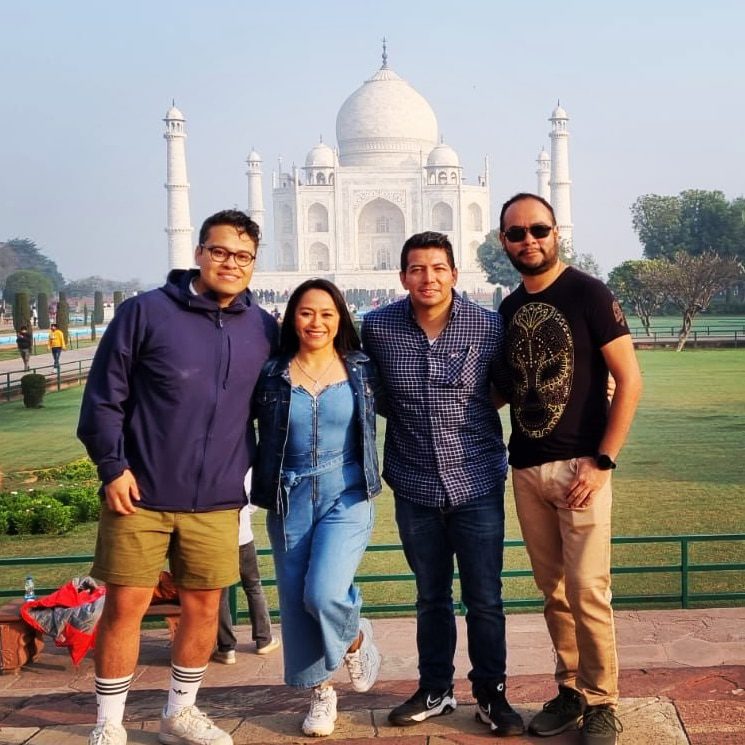
Talk to local people. Try regional food. Visit local markets. Explore historic neighborhoods. Watch the sunrise over the Taj Mahal. Stay in a heritage hotel in Rajasthan.
These experiences often become the memories you remember most.
What Should You Pack for India?
Your packing list will depend on the season and destinations, but some useful items include:
- Comfortable walking shoes
- Lightweight, modest clothing
- Sun protection
- Sunglasses and a hat
- Reusable water bottle
- Universal travel adapter
- Personal medications
- Small daypack
- Hand sanitizer
- Travel documents and copies
- Light jacket for cooler northern evenings
Try not to overpack. You can purchase many everyday items locally if necessary.
Is India Safe for Foreign Travelers?
Millions of international visitors travel to India every year.
As with traveling anywhere, it is important to take sensible precautions. Keep an eye on your belongings, use reputable transportation, avoid isolated areas at night, and follow local advice.
Women traveling alone may also want to take additional precautions and choose reputable hotels and transportation providers.
For first-time visitors, having a knowledgeable local guide or tour operator can provide additional convenience and support.
Always check your government’s latest travel advice before departure.
Final Thoughts
India can be challenging, fascinating, beautiful, chaotic, welcoming, and unforgettable — sometimes all on the same day.
The key to a successful first trip is preparation without overplanning.
Choose destinations that match your interests, research the best time to travel, understand local customs, take reasonable health and safety precautions, and leave room for unexpected experiences.
Whether you are planning a Golden Triangle Tour, a Rajasthan adventure, a luxury India holiday, or a longer journey across the country, India has something extraordinary waiting for you.
Plan thoughtfully, travel respectfully, and arrive with an open mind — your Indian adventure may become one of your most memorable journeys.
Recommended Package
Starting From*
$1,090PER PERSON*
09 Days to 11 Days
Starting From*
$1,190PER PERSON*
Starting From*
$410PER PERSON*
Starting From*
$1,490PER PERSON*
Starting From*:
$495PER PERSON*
Starting From*:
$1,299PER PERSON*
Starting From*:
$1,490PER PERSON*
Starting From*:
$1,190PER PERSON*
Starting From*
$1,290PER PERSON*
Leave a comment: